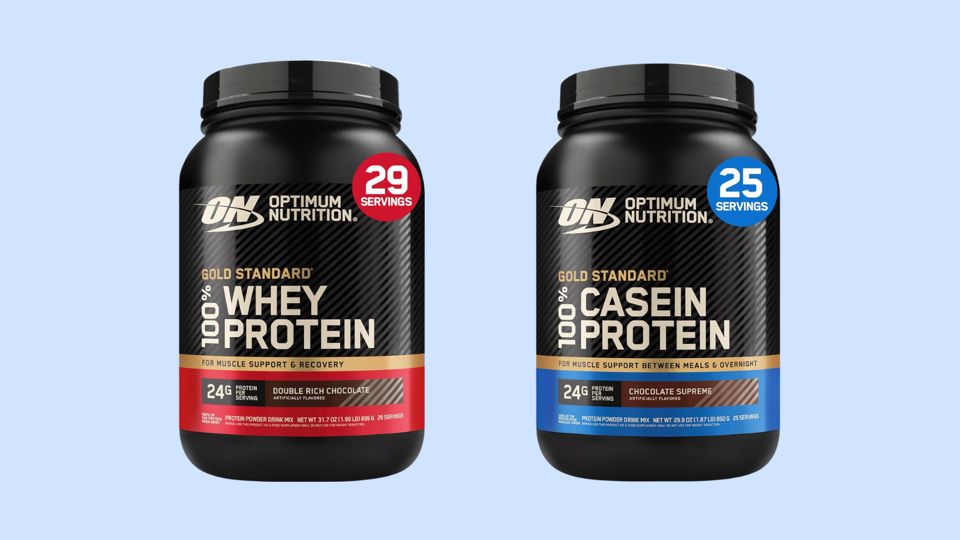
Your body relies on protein for everything from building muscle to fueling your metabolism, and protein powder is an effective way to give your body what it needs. To find the best protein powders of 2026, I spoke with dietitians about what ingredients to prioritize—and which ones to avoid. I also tried several contenders myself to make sure they taste just as good as the labels suggest. Based on my findings, Optimum Nutrition’s Gold Standard Whey Protein is a solid option for most people. Likewise, Optimum Nutrition’s Casein Protein Powder is a great option for weight loss because it helps curb your appetite.
To find the best protein powders, our team spoke to dietitians and fitness experts.
ILLUSTRATION: FORBES / PHOTO: RETAILER
When you’re shopping for protein powder, think about the protein source first. Whey and casein are complete options that contain all the amino acids you need to build muscle, while plant-based alternatives like pea and hemp are easier on dairy-sensitive stomachs. Next, check the ingredient list for minimal additives and look for brands that undergo third-party testing for heavy metals (like lead and cadmium) to make sure they’re safe to consume. And of course, you’ll want something that mixes well and tastes good. Ahead, see my picks for the best protein powders that check these boxes.
Few Ingredients, Many Flavors And A Wallet-Friendly Price
MOST POPULAR
Amazon
Optimum Nutrition Gold Standard Whey Protein
Protein per serving: 24 grams | Serving size: 1 scoop (31 grams) | Protein source: whey protein | Ingredients: Natural and artificial flavors, no added sugar | Servings per container: 29 | Flavors: 20, including double rich chocolate and coffee
What’s notable: Its nutritional value and wide variety of flavors make it a solid choice for most people. It’s also a great value for the price compared to protein powders of similar caliber.
What could be better: It’s not the cleanest protein powder on our list; some flavors contain artificial sweeteners that can irritate sensitive stomachs.
Optimum Nutrition Gold Standard Whey Protein is one of the most popular protein powders on the market these days, and for good reason. The dietitians I spoke with backed it up as a great choice, especially if you’re new to protein powder or just want something simple and effective. With 24 grams of whey protein per serving, an easy-blending and good-tasting formula, and an affordable price, it’s a solid all-around pick that meets the needs of most people.
This powder comes in 20 flavors, including Rocky Road, which seems to have a devoted following all its own. I’ve always liked the classic flavors, though I prefer those that don’t contain artificial sweeteners, which eliminates a few tasty options—none of the flavors have added sugar, but a few are sweetened with sucralose. It’s technically not the cleanest blend on the market (you can find options with fewer ingredients), nor is it plant-based, but if you’re looking for a reliable, no-fuss option that gets the job done, this is it.
Important note on lead content: This specific blend has not been identified as containing elevated lead; however, Consumer Reports found high lead levels in other Optimum Nutrition protein supplements.
Want to save this story for later?
No need to bookmark—get it straight to your inbox.
Protein per serving: 24 grams | Serving size: 1 scoop (33 grams) | Protein source: Casein protein | Ingredients: Natural flavors, no added sugar | Servings per container: 25 | Flavors: 4, including chocolate supreme and creamy vanilla
What’s notable: The main ingredient in this protein powder is casein, which can help curb your appetite while also supporting a healthy metabolism. We also like its clean ingredients.
What could be better: At $2.16 per serving (when not on sale), it’s a more expensive option than comparable whey-based protein powders.
Protein powder on its own isn’t a magic solution for weight loss, but it can play a role in helping you manage your nutrition. By keeping you fuller for longer, boosting your metabolism and helping prevent muscle loss (which keeps your metabolism higher as you shed body fat), it’s a great tool to have in your arsenal. And if you’re looking for a simple, clean protein to add to your weight loss journey, I like Optimum Nutrition’s Casein Protein Powder.
As performance nutrition coach Erin Sparrold explains, “casein powders can be helpful for weight loss because they take longer to digest and help with appetite control.” This occurs because, unlike whey, casein forms a gel in your stomach, releasing amino acids gradually to fuel your muscles and spur on your metabolism while keeping hunger in check. Granted, this blend is a bit on the pricey side at over $2.00 per serving, but if you’re looking for a reliable, effective option to help you with your weight loss journey, it’s a great choice. (See our full-length Optimum Nutrition Casein Protein Powder review if you want to learn more.)
Important note on lead content: This specific blend has not been identified as containing elevated lead; however, Consumer Reports found high lead levels in other Optimum Nutrition protein supplements.
Best Protein Powder For Muscle Gain
Faster Absorption For Post-Workout Recovery
Amazon
Dymatize ISO100 Hydrolyzed Protein Powder
Protein per serving: 25 grams | Serving size: 1 scoop (30 grams) | Protein source: Whey protein | Ingredients: Natural and artificial flavors, no added sugar | Servings per container: 20 | Flavors: 15, including gourmet vanilla and chocolate peanut butter
What’s notable: Made with a more digestible form of whey, it’s a great option for people with sensitive stomachs.
What could be better: At just 110 calories per serving, it doesn’t quite pack enough of a punch for athletes in a true bulk period.
When it comes to muscle building, any complete protein source with enough protein, clean ingredients and easy digestion can help facilitate gains, but Dymatize ISO100 Hydrolyzed Protein Powder takes things a step further: It’s hydrolyzed and therefore easier to absorb, so your muscles get what they need right after a workout—the most important time for recovery—and it tastes good and mixes well. Granted, taste isn’t a make-or-break variable, but it does impact whether or not you’ll actually want to consume protein powder. And the combination of hydrolyzed ingredients and excellent taste/mixability is what makes this blend stand out.
One serving of the Dymatize ISO100 Hydrolyzed Protein Powder mixed with water.
Cam Vigliotta For Forbes
I’ve tried my fair share of powders over the years that taste artificial or overly sweet, but Dymatize really gets these elements right. There are other blends in this guide with simpler nutrition profiles, but this powder’s blend of clean ingredients and taste has me reaching for all the time. Though I’m constantly testing other blends for this guide, I find myself coming back to Dymatize when in between testing.
Hydrolyzed whey is easier to digest than regular whey, so it might be a better option if whey protein powders don’t sit well in your stomach. With that said, it still contains lactose, so it’s not a silver bullet if you’re lactose intolerant. Rather, it removes as much lactose as possible, so it might be an option, but I’d still recommend trying a sample to see how your stomach feels before buying a tub. Fortunately, whether you mix it with water, milk or a smoothie, it blends well.
Best-Tasting Protein Powder
Flavors That Make It Easy To Add Protein To Your Diet
Amazon
Ghost Whey Protein Powder
Protein per serving: 25 grams | Serving size: 1 scoop (35 grams) | Protein source: Whey protein | Ingredients: Natural and artificial flavors, added sugar in certain flavors | Servings per container: 26 | Flavors: 14, including cereal milk and Cinnabon
What’s notable: Available in a variety of flavors reminiscent of popular snacks, it balances flavor with quality well. Certain options also contain mix-ins like cookies and Oreos.
What could be better: To create the sweet taste, it contains a few extra ingredients that other options in this guide don’t have, like high fructose corn syrup and artificial sweeteners.
Ghost has a reputation for creating some of the best-flavored blends on the market. With familiar, fan-favorites like Oreo Mint, Nutter Butter, Chips Ahoy and Cinnabon, the brand makes easy-to-drink and appealing options that can satisfy most preferences. The consistency of the powder enables most of these formulas to be mixed into smoothies, shakes or even baked goods to get your protein in.
Of course, creating those nostalgic flavors means adding a few extra ingredients to the formula, and indeed there are more additives compared to other options on this list. If you’re comfortable with that, then Ghost may be for you. Delivering 25 grams of whey protein in each serving, it nails the balance between great taste and protein.
Best Plant-Based Protein Powder
A Vegan Protein That's Easy To Digest
Transparent Labs
Transparent Labs Organic Plant-Based Protein Isolate
Protein per serving: 24 grams | Serving size: 1 scoops (37 grams) | Protein source: Plant protein (pea, rice) | Ingredients: No artificial sweeteners, no artificial coloring, no artificial preservatives | Servings per container: 30 | Flavors: 2, including french vanilla and chocolate
What’s notable: This blend doesn’t contain any artificial sweeteners, colors or preservatives.
What could be better: It’s expensive, and you only have two basic flavors to choose from.
If you’re vegan, vegetarian, lactose intolerant or simply looking for a clean plant-based protein backed by third-party testing, Transparent Labs’ Organic Plant-Based Protein Isolate is a great pick. It combines pea and rice protein to deliver a balanced amino acid profile, plus it’s free from artificial sweeteners, colors and preservatives.
I see this blend in a lot of plant-based households because it’s one of the cleaner, more transparent plant-based options on the market—you can actually view third-party testing results on Transparent Labs’ website, no additional outreach required. Just keep in mind that it’s more expensive than some animal-based blends, due in-part to the clean ingredients. It also uses organic stevia, a natural sweetener that might cause stomach troubles in certain individuals. Ultimately, I think Transparent Labs strikes the ideal balance between ingredient quality and transparency, even if it comes at a price.
Best Unflavored Protein Powder
No Artificial Sweeteners, Colors Or Flavors
Naked
Naked Unflavored Whey Protein Powder
Protein per serving: 25 grams | Serving size: 2 scoops (30 grams) | Protein source: Whey protein | Ingredients: No artificial flavors, no added sugar | Servings per container: 30 | Flavors: 6, including unflavored and vanilla
What’s notable: It’s a high-quality protein powder made with 100% clean ingredients and a great value at $1.40 per serving.
What could be better: It does have a slight aftertaste if you drink it by itself, although it isn’t unpleasant.
If you want a no-frills, unflavored protein powder that won’t mess with the taste of your shakes, smoothies or whatever else you’re mixing it into, Naked’s Unflavored Whey Protein Powder is the way to go. It’s about as clean as it gets: The only ingredient in this formula is whey protein concentrate, so you’re getting high-quality protein without any additives, artificial colors or sweeteners.
Naked also stands out for its responsible sourcing. The whey comes from small, non-GMO dairy farms, where cows are grass-fed, free-roaming and raised without hormones. And if this unflavored whey protein doesn’t sit well with your stomach, Naked has a wide selection of unflavored protein options, including pea, brown rice and egg protein, making it easy to find something that works for you. (The brand also has several naturally flavored options, like double chocolate and strawberry, if you’re looking for something with a specific taste profile.)
Important note on lead content: This specific blend has not been identified as containing elevated lead; however, Consumer Reports found high lead levels in one of Naked’s other protein powder blends, Mass Gainer.
Best Collagen-Based Protein Powder
A Blend That Benefits Skin, Joints And Muscles
Amazon
Vital Proteins Collagen Peptides Powder
Protein per serving: 18 grams | Serving size: 4 Tbsp (20 grams) | Protein source: Collagen peptides | Ingredients: (Flavored formulas) natural flavors, sea salt, stevia | Servings per container: 13 | Flavors: 6 total, including vanilla, lemon and pumpkin spice
What’s notable: The ingredients are third-party tested for safety, and the protein-collagen peptides help promote healthy skin and hair in addition to building muscle.
What could be better: The flavored versions aren’t as widely available as unflavored; on Amazon, you can only get flavors in 10.5-ounce cans (14 servings).
Collagen-based powders are known for offering hair, skin and joint health benefits, and this option from Vital Proteins couples those perks with 25 grams of protein per serving to encourage muscle growth. Made with lactose-free milk protein isolate and collagen peptides from bovine, the powder is easier to digest than some other options that contain more lactose (including the Optimum Nutrition Gold Standard Whey Protein, our top pick for most people).
It’s also NSF Certified for Sport, meaning it’s been tested by a reputable third party for safety and label accuracy; in other words, the ingredients listed on the label are the same ingredients you’ll find inside the container. According to the company, this certification verifies that it’s okay to use as part of your daily training routine. Plus, it comes in six varieties (unflavored, vanilla, chocolate, lemon, pumpkin spice, salted caramel) to suit different palates.
Best Vegan Protein Powder
A Turmeric-Enhanced Blend To Help Manage Inflammation
Amazon
Gnarly Nutrition Golden Milk Vegan Protein Powder
Protein per serving: 20 grams | Serving size: 1/3 cup (50 grams) | Protein source: Pea, chia, cranberry protein | Ingredients: No artificial sweeteners, no artificial flavoring, cane sugar, stevia extract, black pepper extract | Servings per container: 16 | Flavors: 1
What’s notable: The golden milk blend is NSF-certified, and it contains an assortment of vitamins and minerals, including fiber and probiotics.
What could be better: It’s very expensive (nearly $4 per serving) and Gnarly doesn’t include a measuring scoop, to minimize the brand’s environmental footprint.
I’ve struggled for almost a year to find a vegan protein powder that’s clean, tasty and easy to mix, but Gnarly’s Golden Milk Vegan Protein Powder checks all those boxes and then some. Truth be told, I wasn’t too keen on it when I saw it was packed with turmeric—I’ve made my own “golden milk” drinks but they’re never that good—yet Gnarly nailed the flavoring. It tastes like a sweet holiday drink thanks to the added cinnamon and cane sugar, almost like I’m drinking a chai latte.
From there, a lot of other helpful ingredients round the blend out, including: high oleic sunflower oil (heart-healthy benefits); black pepper extract (increases the body’s absorption of curcumin, turmeric’s active compound); LactoSpore (probiotic that supports gut and immune health); and Aquamin (derived from sustainably-harvested red marine algae, supports bone, joint and gut health).
Gnarly's Vegan Plant Protein Golden Milk is one of the better plant-based blends I've tried over the past year.
Cam Vigliotta For Forbes
Essentially, Gnarly’s take on golden milk contains a little of everything, from fiber to vitamins and minerals, and at 200 calories per serving, it’s a great meal replacement option, too. That said, it’s not purely vegan protein powder, so I wouldn’t recommend it if you’re looking for a truly simple, no-nonsense blend. It’s also very expensive, which is why I’ve used it alongside other blends, adding it in a few times a week for the anti-inflammatory benefits and added calories after a tough workout.
Other Protein Powders We Considered
Orgain Organic Protein Powder: As our previous winner for the best plant-based protein powder, this option combines pea, brown rice, chia and mung bean protein to hit all nine essential amino acids, giving you a complete protein source without any dairy. While it’s easy to find at many grocery stores, one serving is two full scoops, so the tub won’t last as long as you might expect. Also, the Transparent Labs Organic Plant-Based Protein Isolate uses cleaner ingredients.
How We Chose The Best Protein Powders
We selected protein powders based on a few simple but impactful criteria, analyzing products for the following:
Protein type: To accommodate a wide variety of fitness goals and dietary needs, we made sure to include multiple protein types in this guide, from whey and casein to plant- and collagen-based blends. We also checked each contender’s protein content per serving.
Ingredients: We prioritized powders with simple, high-quality ingredients and, for the most part, steered clear of those packed with artificial sweeteners, fillers or unnecessary additives. That said, we included one product (the Ghost Protein Powder) that is delicious-tasting but has comparatively more processed ingredients.
Effectiveness: We turned to registered dietitians for their take on which formulas actually support muscle growth, satiety and overall health.
How To Shop For Protein Powder
When it comes to picking the right protein powder to incorporate into your diet, you’ll want to consider protein type, ingredients and your preferred taste and texture.
Protein Type
The type of protein powder you consume can make a big difference in how well it works for your body. Generally speaking, there are four major kinds of protein powders to choose from, including whey, casein, collagen and plant-based.
Whey protein: Whey is an animal-based protein that is derived from milk, and it’s a popular choice because it’s a complete protein, meaning it has all nine essential amino acids in consistent amounts. This makes it a great option for post-workout recovery and muscle growth. Whey protein is fast-digesting as well—just note that it’s not ideal for individuals with dairy sensitivities.
Casein protein: Like whey, casein is a complete protein made from milk; however, it doesn’t digest as quickly. This makes it a better option for long-term muscle repair and recovery. Casein also keeps you feeling full longer, which can support a healthy metabolism and encourage weight loss.
Collagen protein: These protein blends are also derived from animal sources, including bones, tendons and skins. Collagen excels at supporting joint health and skin elasticity, as well as strengthening your hair and nails.
Plant-based protein: If you’re vegan, vegetarian or lactose-intolerant, plant-based proteins are a solid alternative to whey and casein. Common sources include pea, brown rice, quinoa, chia, lentil and hemp proteins. As Sparrold notes, plant proteins sometimes lack all the essential amino acids, but many blends combine different sources to make sure you’re getting everything you need. “They can also be lower in saturated fat compared to whey and casein,” says Routhenstein.
Ingredients
When it comes to ingredients, simplicity is key. Try to avoid or limit powders that are packed with artificial sweeteners, fillers or preservatives. These extras don’t add to the blend’s nutritional value, and in some cases, they can do more harm than good. “The shorter the ingredient list, the better,” says Sparrold.
Sweeteners: Instead of artificial sweeteners like sucralose and erythritol, Sparrold recommends looking for mixes with stevia or monk fruit.
Additives: Be wary of any additional fillers or preservatives. For instance, Sparrold specifically recommends avoiding carrageenan, an additive that gives shakes a creamy texture but can have a negative impact on gut health.
Dietary needs: It’s a good idea to double check for things like soy, gluten or dairy in the ingredient list, too, if you have any food sensitivities or allergies.
Taste And Texture
Taste and texture can make or break your protein powder experience. If the powder is hard to mix or has a chalky, overly sweet taste, you might find yourself avoiding it after a while. Look for powders that dissolve easily in water or milk, or that mix well in smoothies, oatmeal or even baked goods. Also consider whether the powder requires a blender or shaker bottle to get it smooth; you’ll want to keep that in mind for convenience’s sake, and so you’re prepared with the right gear.
What To Avoid In Protein Powders
Proprietary blends: Proprietary protein blends look enticing, but a proprietary blend is essentially a brand’s way of saying, “Our recipe is a secret, and we can’t tell you what’s in it.” As we’ve learned, transparency is key when shopping for supplements, which is why it’s important to avoid blends that hide the exact amount of each ingredient.
Excessive additives: Powders that contain artificial sweeteners, colors and thickeners aren’t necessarily harmful, but simpler formulas are ultimately better for digestion and reducing inflammation.
Unrealistic claims: Marketing claims like “instant muscle growth” and “immediate weight loss” are just that—claims. Protein powder has been around for decades, and research has revealed what does and doesn’t work. If a claim seems too good to be true, it probably is.
Poor third-party testing results: Look for certifications from NSF, Informed Choice and USP, especially if you’re subject to drug testing. These certifications let you know that what’s advertised on the tub is the same thing you’re ingesting.
Protein Supplements, Lead And Other Heavy Metals
Lead and other heavy metals can be found in protein powders due to factors largely beyond a manufacturer’s control. Plants naturally absorb metals from soil and water as they grow, and lead can be introduced during various stages of the production process. Plant-based proteins made of soy and peas are particularly susceptible to higher lead levels because plants accumulate heavy metals more readily than animal-based products.
A recent Consumer Reports investigation found that among 23 protein supplements tested for lead, more than two-thirds contained more lead per serving than experts consider safe for daily consumption. The analysis found that plant-based options showed lead levels nine times higher than dairy-based blends, like whey, and two times higher than beef-based ones, on average.
In light of these findings, we’ve re-evaluated our recommendations and added notes to products from brands that manufacture other protein supplements found to contain elevated levels of lead—Optimum Nutrition and Naked, specifically. We’ve also replaced our previous plant-based protein powder recommendation with an option that has demonstrated comparatively lower lead content based on rigorous third-party testing. We regularly reassess our picks to ensure the protein powders we recommend are tested for quality and safety.
Author of this guide and Forbes Vetted gear editor Cam Vigliotta has over six years of experience reviewing outdoor, training and wellness equipment. With a degree in kinesiology, he understands how important it is to find clean, healthy supplements that help you recover, gain muscle or simply meet your personal dietary goals.
This guide was reviewed by Forbes Vetted editorial director, Brinda Ayer, who’s a seasoned marathoner and fitness advocate, and has over a decade of experience in food and lifestyle journalism.
Updates to this guide were edited by Forbes Vetted director of commerce strategy, Lindsay Boyers, CN, a certified functional nutritionist and author of 15 health and wellness books. She has over a decade of experience covering nutrition, fitness, and supplements, including extensive research on protein powders and shakes.
Forbes Vetted senior strategy editor, Katie Simpson, also edited updates to this guide. She has been an ACE-certified personal trainer for over two years, advising clients on nutrition and protein intake.
Our team is consistently researching and reviewing the latest protein powders and supplements on the market. We’ve complied our top recommendations in the below guides, so you can find the ideal supplement for your lifestyle and goals.
After researching dozens of options, consulting experts and trying different powders myself, I found that Optimum Nutrition makes the best protein powder for most people. Specifically, its Gold Standard Whey Protein stood out for its nutritional value and wide variety of flavors, while its Casein Protein Powder is made to help curb your appetite and support a healthy metabolism.
If you’re looking for a clean, unflavored protein powder, the Naked Unflavored Whey Protein Powder is the best option for most. It contains only one ingredient—whey protein concentrate—so you don’t have to worry about sweeteners and other additives.
Protein powder isn’t a suitable replacement for a well-rounded meal. “Meals include more macronutrient density, including carbohydrates and fats,” says Sparrold. “But a protein powder can be a nice protein anchor to a meal. You can use a protein powder to build a balanced oat bowl, acai bowl, yogurt parfait or a smoothie. Or you can use a protein powder to help you build a quick grab-and-go meal. A protein shake with a banana and a serving of nuts can make a really easy and satisfying balanced, portable meal.”
Just make sure you’re choosing a protein powder that’s been tested for safety and efficacy, as some protein powders can have elevated levels of lead. If you’re drinking a contaminated protein powder every day, lead can accumulate.
Want to save this story for later?
No need to bookmark—get it straight to your inbox.
We checked the pricing and availability of all our top picks. We also updated our comparison table and answered further questions on the best protein powders.
We added a table that compares our winners across key factors and listed another protein powder we considered for this guide.
We added a vegan protein recommendation, plus a detailed breakdown of what to avoid as you shop for protein powder.