If a standard manual toothbrush and string floss aren’t working for you, there are a range of products that can make your oral care routine more accessible. I was inspired to dig into adaptable oral care products and techniques after writing our guides to the best electric toothbrushes and the best water flossers; I discovered that these items can be helpful tools for many people, for many reasons. To learn more, I spoke to dental hygienists, dentists and rehabilitation experts to gather their recommendations for the best accessible dental tools, products and approaches to maintaining oral hygiene.
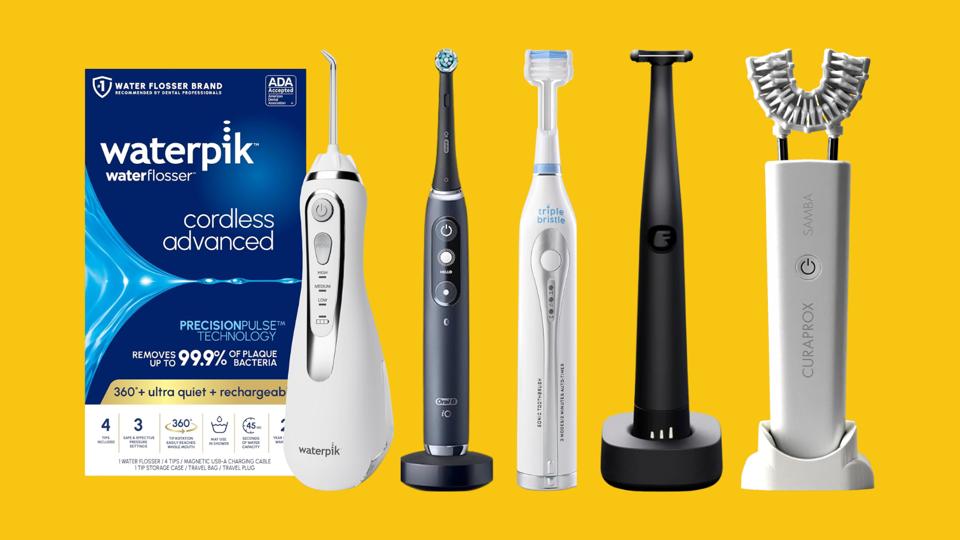
Their guidance was wide-ranging; there’s no one-size-fits-all way to adapt brushing or flossing if you need to. Some examples they gave include using adaptive aids like universal cuffs to help with holding products like toothbrushes if you have dexterity issues; opting for products like water flossers or electric flossers that provide an alternative way to clean debris from your gum line; and using a timer while brushing to reach the two-minute mark.
Ultimately, they advise using whatever tools will work for you. That’s because keeping up a dental routine is key to prevent major issues like cavities or disease—and it also promotes overall wellbeing. “There’s such a close connection between good oral health and good systemic health,” says Jennifer Cullen, director of dental hygiene at the University of Michigan school of dentistry.
I approached writing this piece from a personal angle. After a nerve damage injury in 2020 that left me unable to use my dominant arm for three months, flossing fell to the wayside as I healed and regained motion in my arm and hand. Brushing my teeth was arduous, too. I remember opening and squeezing the toothpaste tube one-handed, while being in excruciating pain with my senses dulled by medication, and awkwardly maneuvering the brush with my left hand. I came to hate this once-inconsequential, twice-daily task. I wish my care team had offered some easy suggestions to help, like using a floss pick or an electric toothbrush.
Since then, I’ve considered accessibility and adaptability as I navigate my daily life and test and review household products; it’s top of mind that people have all kinds of bodies, minds and needs. As I dug into adaptable and accessible oral care tools and techniques, I considered that these may help a wide range of people, whether you have a disability, an aging parent or just need help staying on track for a full two minutes of toothbrushing.
Data from the CDC collected in 2022 shares that . I’ve recovered from my injury, but I wonder how my body will continue to change, how my older parents’ bodies will change. If we live long enough to age, it’s likely that we’ll need to adapt to how we perform everyday tasks, including brushing and flossing our teeth. And wow, does having a visible timer on my toothbrush that flashes a starry-eyed smile at me when I finish help me get through the task at hand.
For this piece, I spoke with six expert dental hygienists and dentists who specialize in treating patients with spinal cord injuries, mobility and dexterity issues, and developmental disabilities. They offered advice for specific devices, device adaptations and overall tips for how people and caregivers can take care of their teeth and have a better time at the dentist. Their tips encompass advice for people with dexterity issues, sensory issues and both, as well as those with developmental disabilities, caregivers and beyond. Keep in mind that recommendations, particularly for adaptations, are meant to be a starting point. Consult with your hygienist, dentist or healthcare team to figure out what will work for you, or the person for whom you are caregiving.
Find A Dental Home To Meet Your Needs
The first step in establishing any dental routine is finding a dental home: a provider to work with you on routine maintenance as well as cleanings and preventative care, which is crucial to maintaining oral health.
If you have an intellectual and developmental disability, mobility or dexterity issues or need specialized care, this can require extra time and research. But the experts I spoke with emphasize that it’s worth the effort to find a practice that can provide a support system, especially as needs can change over time. You can search for local options online, and the experts I consulted with recommended seeking out hospital-based programs or university teaching programs. You can also ask a dentist for other recommendations if they can’t meet your needs. If you’re a caregiver, finding the right practice can be especially helpful. “The more communication between caregiver and provider, the more helpful our recommendations will be,” says Dr. Quinn Kropf, director of special patient dental care at Advocate Illinois Masonic Medical Center.
Risk of oral disease, tooth decay and other associated health problems can rise if you have limitations on oral care routines, so it’s especially important that you regularly see a dentist. Kropf mentioned that potential issues can include losing teeth, advanced gum disease, adverse effects to mental and gut health and an increased risk of developing diabetes. “Prevention—maintaining good oral hygiene—is just going to be the best way to avoid that,” he says.
When you’re at the dentist’s office, you can show practitioners what you’re doing at home, and they can offer feedback. The experts I spoke to had a range of advice for making trips to the dentist easier, especially for caregivers. These include ordering a plastic mirror and doing a trial run of the visit to go through the steps of the exam at home; practicing a technique called “tell, do,” or telling a person what you will do before doing it, that dentists from Advocate Health recommend; or distracting people with music or videos.
Cullen recommends touring the dental office or looking at pictures of the office before visiting. You can also consider whether you, or the person you’re taking care of, will need sedation to help with appointments, in which case the experts I spoke with recommend seeking dental care from a hospital or university program.
Adapting To Different Needs
Everyone will have different needs when it comes to adapting a oral hygiene routine. You may need to adapt for dexterity or mobility issues, sensory issues or a combination of these. You may be able to brush your own teeth, or need caregivers to brush and floss for you.
Because of this, there are no one-size-fits all product recommendations for toothbrushes, flossing products or toothpaste—nor are there universal care techniques. “Whatever you’re going to be able to use is what’s going to work for you,” says Lisa Curbow, a hygienist, speaker and coach who specializes in treating people with disabilities—sphinx-like, but true. Below, I’ve broken out recommendations for dexterity and sensory adaptations for brushing and flossing, and included tips for caregivers as well. Keep in mind that you may need to try several approaches to determine what will work best.
The Best Accessible Toothbrushing Tools And Tips
Electric Toothbrushes
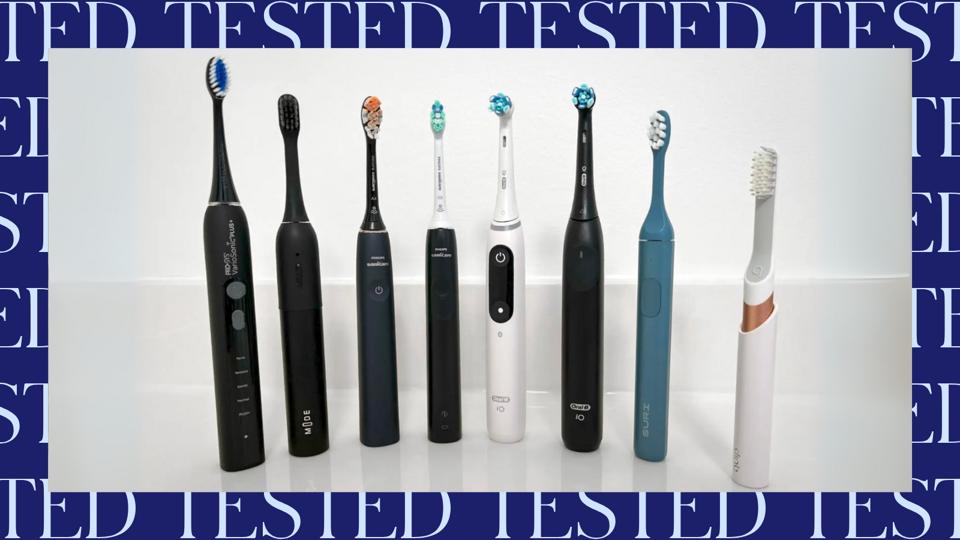
An electric toothbrush can be a great tool to help you brush independently, since these devices do a lot of the brushing work. If you have trouble moving your head, it’s easier to maneuver an electric toothbrush compared to a manual one.
Erin Prentice, an occupational therapist at the Shepherd Center, says to consider if you will be able to press buttons and dock the toothbrush for charging, and whether you will need to adapt the handle. In our guide to the best electric toothbrushes, we recommend the as the best electric toothbrush overall, thanks to its affordability and helpful features like a timer and pressure sensor. We also named the the best smart electric toothbrush, thanks to its easy-to-read digital screen and emojis, which make tracking time visible and motivating. Using the app on this brush, you can track brushing coverage around your mouth as well—helpful to ensure you’re reaching all your teeth.
Accessible Electric Toothbrushes
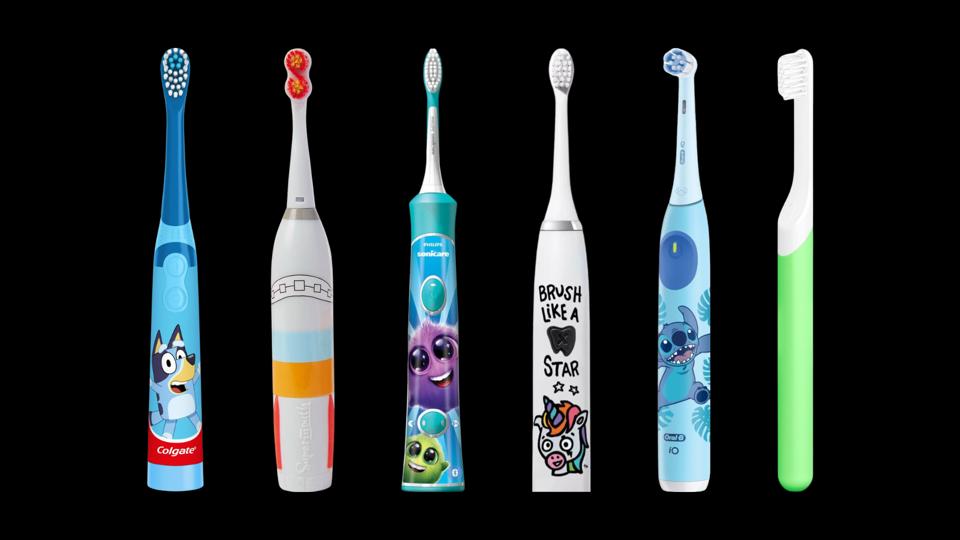
There are several electric toothbrushes designed to be more accessible, too. Curbow mentioned multiple brands: These include the , which has a wide handle that makes it easier to hold and brushes the top, then the bottom, of the mouth at one time; the , which brushes the top and bottom rows of the teeth simultaneously and works best with foaming toothpaste; and the , which is designed for kids, brushes one arch of the mouth at a time and dispenses toothpaste from the brush. (Willo can also be used by adults.)
The buzz and vibrations from an electric toothbrush may not work if you have sensory issues. That said, Curbow notes that sometimes you can desensitize yourself, or the person you’re caring for, by using a brush for a few seconds at a time and then increasing the brushing duration.
Adapted Toothbrushes
You can also adapt a toothbrush’s handle, whether manual or electric, to make it easier to hold. Curbow recommends attaching a bicycle grip handle or tennis ball, or using moldable thermoplastic beads to custom-make a handle (you will need to redo this every time you replace the toothbrush, but beads are relatively inexpensive). If you have tremors, you can also consider attaching a weight to a toothbrush or wearing a weighted glove to help stabilize movement while brushing.
Some electric toothbrushes even come with multiple heads on the brush to cover more surface areas of the teeth more easily; Curbow mentioned the . There are also manual triple-head toothbrushes, though these bigger and bulkier brushes could cause irritation by pushing against cheeks or tongues.
Toothbrushing Tips
You don’t have to brush your teeth—or, if you’re a caregiver, someone else’s teeth—standing over the sink; find a position that’s comfortable for you. Cullen says that you can lean on the counter or sit down at the sink for stabilization or support.
Both Kropf and Dr. Ayanna Williams, a pediatric dentist from Advocate Health, say that if you’re a caregiver, consider the most comfortable position for the person while brushing their teeth. You may need to adjust whether they’re upright or lying down while brushing, and consider the best approach if someone has issues with swallowing. They also suggested using dental swabs for those who have a hard time tolerating toothbrushing or have difficulty spitting, as these can remove debris and bacteria. Cullen also recommended considering your position if you’re reaching around a person to brush their teeth, as this can be challenging, and ensuring you get to every tooth.
In addition to finding the most comfortable position, you can break up toothbrushing and take breaks as needed.
The Best Accessible Flossing Tools And Tips
Manual Floss Aids And Picks
Manual floss aids and picks are affordable options to make flossing easier. They may be best if you have sensory issues, or do not like the vibrations of an electric flosser or stream from a water flosser. These products can also be helpful tools for caregivers.
Curbow recommends flossing tools like the , thanks to its relatively thick handle (though you will need to wind floss around it). The is another option, with disposable tips and a longer handle, which might be easier to get into your mouth, and easier for caregivers to use at an angle. Cullen suggests the , which has a wider, cone-shaped tip and a longer handle, to get between teeth at the gum line.
Representatives from the Shepherd Center also suggest adapting floss sticks or picks with universal cuffs or custom handles to make these tools easier to hold and maneuver. Floss picks may be a better option for caregivers instead of directly flossing teeth.
Water Flossers
While water flossers are an investment, they’re a good alternative to using string floss. Jared Grier, a rehabilitation engineer at the Shepherd Center, recommends these if you’re having difficulty flossing or feel like you can’t get your teeth as clean as you previously could with floss. Water flossers can work for caregivers who aren’t comfortable flossing a person’s teeth directly. Keep in mind that water flossers can be messy and overstimulating for some people.
There are two types of water flossers: countertop and portable models. While portable flossers are easier to maneuver, they have smaller parts and storage tanks, making them harder to operate and refill compared to countertop flossers. A countertop model, with its wider basin and large top, may be easier to use for some. They also have handles with different designs and shapes. Countertop models have thinner handles; portable ones have wider, broader bases. You’ll want to consider dexterity when choosing between these models.
In our guide to the best water flossers, we recommend the as the best countertop water flosser and the as the best portable water flosser.
Electric Flossers
Curbow also recommends electric flossers like and , which can help get into the hard-to-reach spaces between teeth at the gum line and have disposable heads to swap out. They’re more expensive than floss picks or handles, however, and may not work if you have sensory issues, due to the vibrations.
Toothpaste
Toothpaste often includes sodium lauryl sulfate, which makes it foam while brushing. If you have sensory issues, you may not like this sensation, says Curbow, so finding SLS-free toothpaste online can be a good alternative. There are many options: offers SLS-free toothpaste, as does . You can also experiment with flavors—mint may be too strong or spicy. Colgate makes a flavor, for example; Tom’s has a ; Sensodyne has a . Some flavors may be marketed toward kids, but can be used by anyone. Dentists from Advocate Health also suggested that if caregivers notice bleeding gums, prescription-level toothpaste might help.
Consider the cap of toothpaste, too, to find the easiest option to use. A flip-top cap may be easier to open, compared to a screw-top cap. You can also find toothpaste that’s dispensed from a pump.
Toothpaste Dispensers
If squeezing a tube of toothpaste is difficult, you can get a wall-mounted dispenser. These can be automatic or manual. A toothpaste squeezer tool may also help with dispensing toothpaste.
Other Adaptive Dental Hygiene Tips
The experts I spoke with also shared some general tips for keeping up a brushing and flossing routine successfully, whether you are brushing your own teeth or are a caregiver brushing someone else’s.
Try Different Techniques To Get It Done
- The dentists from Advocate Health suggested that distraction can help if you find brushing or flossing challenging. This could include putting on music or a video to watch. For caregivers, they suggested the “tell, do” approach mentioned earlier, in which a caregiver tells a person what they will do (for example, reaching around them to brush their teeth) and then doing the action.
- To keep track of time or motivate while brushing, you can also use an analog or phone timer. Some electric toothbrushes we’ve tested, like the , have visual timers built into them. Experts also suggested taking breaks while brushing as needed.
Seek Support
- Prentice recommends seeking out online support groups to share resources and ideas when it comes to adapting brushing or flossing techniques.
- If you want to customize a toothbrush or flosser, Grier recommends seeking out companies that do 3D printing to adapt a specific device. He also mentioned as a resource that sells gripping aids.
Things To Keep In Mind As A Caregiver
- Be patient while brushing and flossing, says Curbow, and be sure to get all around and to the back of the mouth. You might need to adjust your position to stand behind the person you’re caring for.
- Curbow, as well as the dentists from Advocate Health, also recommend keeping an eye on nutrition to try to prevent tooth and gum issues if brushing is challenging—monitoring intake of sugars, carbohydrates and juice and soda to minimize buildup in a person’s mouth.
Why Trust Forbes Vetted
At Forbes Vetted, we’ve researched, written and published dozens of grooming stories, with several dedicated to personal products like oral care.
- Senior reviews editor Anna Perling has covered oral care for over three years and has written pieces on the best electric toothbrushes and the best water flossers.
- This article was edited by managing editor Emmy Favilla, who has more than a decade of experience reviewing products, including oral hygiene products.
Our Experts
- , director of dental hygiene at the University of Michigan school of dentistry
- , a hygienist, speaker and coach who specializes in treating people with disabilities
- Two representatives from , a hospital that specializes in treating people with spinal cord injuries and neuromuscular conditions: , an occupational therapist, and , a rehabilitation engineer
- Two representatives from Advocate Illinois Masonic Medical Center: , pediatric dentist, and , director of special patient dental care