We understand the back pain struggle—in particular, the coauthor of this guide deals with it often. And while a better mattress might not be the sole answer, it can help. After testing over 200 mattresses, we named the the best mattress for back pain overall because it feels both cushioned and supportive. It provides the necessary lift to keep your back in a neutral position without feeling overly firm. We also recommend the for side sleepers: It’s much better at relieving pressure on the hips and shoulders in this popular sleep position.


Why We Named It Best Overall
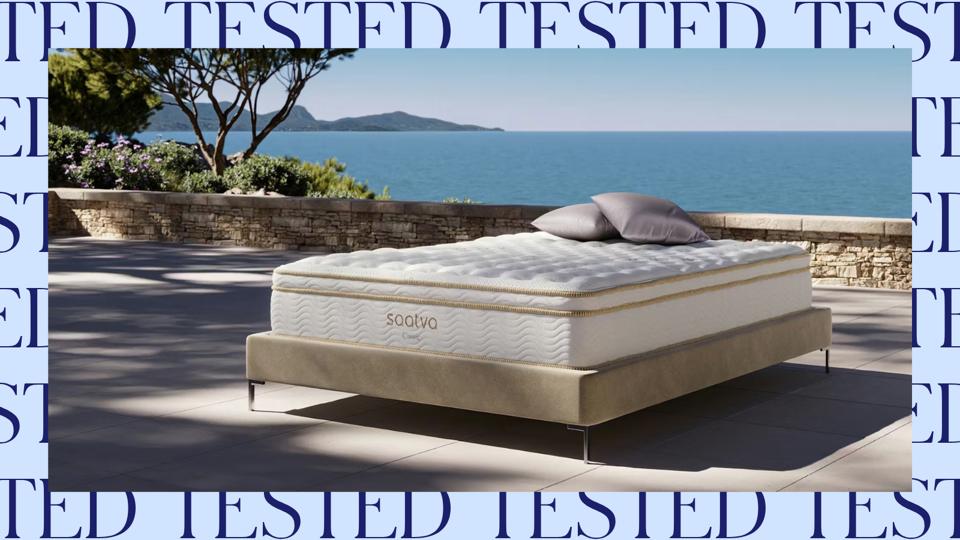
Built with two sets of coil systems, the Saatva Classic provides both support and pressure relief—the two most important factors for relieving back pain. It also features a luxurious pillow top that pads sensitive spots along the spine, easing pressure around key areas that cause discomfort. Together, these elements create a lifted and cushioned feel that stood out to many of our testers.
How It Performed During Testing
We’ve tested all three comfort levels of the Saatva Classic, and they each scored top marks in pressure relief and support. The soft model, with its pillowy and airy profile, scored highest for pressure relief, earning an average of 9 out of 10 for comfort in every sleeping position. This means that our panel of testers didn’t notice any pressure buildup in the hips and shoulders while they lay on this bed.
By comparison, the luxury firm and firm versions provide a better balance of support with cushioning for most sleepers with back pain. The luxury firm earned a 9 out of 10 for side sleeping and 9.5 out of 10 for back sleepers, while the firm earned an 8 out of 10 for side sleepers and 9 out of 10 for back sleeping. “I deal with lower back pain from time to time, and this mattress provides an impressive amount of relief,” says one tester of the firm model. “My spine felt aligned in its natural posture while lying on my back, and the foam layers cushioned my shoulders and hips nicely.” The two firmer models also score highly for edge support, making it easier to get in and out of the mattress—another benefit for individuals with back pain or mobility concerns.
Who It’s Best For
We recommend the Saatva Classic to a wide range of sleep positions, especially since it’s available in three comfort levels: plush soft, luxury firm and firm. We like the plush model for side sleepers who need more cushioning to relieve pressure points along the hips and shoulders. The luxury firm and firm models are best for back and stomach sleepers seeking ample support for their spine and midsection.
Who Shouldn’t Buy It
If you prefer the deep sinkage of memory foam, we recommend the ; it gives a hugging sensation that makes it our favorite memory foam mattress for back pain.
Related: See more details in our full Saatva Classic Mattress review.
Why We Named It Best For Side And Back Sleepers
Named our best mattress overall for 2026, the Helix Midnight Luxe is specially designed to relieve pressure and promote alignment. Our testers appreciated the bed’s best-in-class pressure relief around the hips and shoulders, as well as its medium firmness, which strikes the right balance between structure and softness for many back and side sleepers.
How It Performed During Testing
Thanks to its middle-of-the-road feel, the Helix Midnight Luxe scored an 8 out of 10 for side sleeping and an 8.5 out of 10 for back sleeping during our panel testing. Similar to the soft model of the , our testers experienced no pressure buildup around their hips and shoulders in these positions. “This is one of my favorite mattresses because it tested well for pressure relief, support and responsiveness—and felt great for back and side sleeping,” reports one tester.
The Midnight Luxe has also been tested long-term by a member of our team who occasionally faces bouts of back pain. “I’ve been sleeping on the Helix Midnight Luxe for more than a year, and I continue to feel comfortable night after night on this bed while side sleeping,” she reports. “My hips and shoulders feel nicely cushioned, while my back feels properly held in a neutral position.”
Who It’s Best For
The Helix Midnight Luxe is a great choice for back and side sleepers, as well as individuals who toss and turn between the two positions due to the bed’s cushioning and bounce. It also features targeted support to ease lower back pain and excels at motion isolation, a quality that makes it an excellent option for couples.
Who Shouldn’t Buy It
If you’re a strict stomach sleeper with back pain concerns, we recommend opting for a firmer mattress that provides more support. The and are firmer than the Midnight Luxe but with a similar build; the firm is also a great choice.
Related: Check out our full Helix Midnight Luxe review for more details.
Why We Named It Best For Back And Hip Pain
The Bear Elite Hybrid’s cushy memory foam layers, coupled with its zoned coil system, relaxed the pressure points around our testers’ hips and back. The bed’s high-quality feel and ease of movement also stood out during testing. “It has a luxurious feel and nice cooling elements, and it was easy to move around on—which is a bonus for combination sleepers or anyone with mobility issues,” says one tester.
How It Performed During Testing
The Bear Elite offers a solid combination of pressure relief and support for the back and hips. In terms of comfort, it earned a 9.5 out of 10 for side sleeping and a perfect score of 10 out of 10 for back sleeping, proving its ability to keep the spine and hip joints in a relaxed, neutral alignment in those positions.
Some testers also praise the Bear Elite Hybrid’s ability to decompress their lower spine while lying on their back and side. “I felt as if the mattress was hugging my lower back and holding it up in a comfortable alignment,” says one tester.
Who It’s Best For
The Bear Elite Hybrid is a good option for people who want a balance of cushioning and support, and for those looking to ease the pressure on their hips and support their spine in its neutral alignment. Couples with different sleep preferences should also like the bed’s versatile medium feel.
Who Shouldn’t Buy It
If you’re a stomach sleeper or a heavyweight individual who weighs more than 250 pounds, consider a bed with enough firmness to prevent your back and midsection from sinking too far into it. For the latter group, we recommend the mattress, which is specifically designed to support more weight than an average bed; we like the firm version of the for stomach sleepers.
Related: Read more in our full Bear Elite Hybrid Mattress review.
Why We Named It Best Hybrid
DreamCloud is a top choice across many of our guides, including the best mattresses for sciatica. With its base of pocketed coils and layers of memory foam up top, this mattress features the best balance of cushioned comfort and durable support we’ve seen from a hybrid.
How It Performed During Testing
One of our testers notes that it feels soft but not too pillowy, scoring it an 8.5 out of 10 for comfort and support in a back-sleeping position. “While lying on my back, I felt nicely held and supported,” she says, adding that the pricier and offered a similar amount of comfort and pressure relief. This mattress also performed solidly in our motion isolation tests, earning a 7.5 out of 10, which makes it accommodating “for anyone sharing the bed with a partner or pet,” according to one tester.
Who It’s Best For
Because it offers a delicate balance of support and pressure relief along your hips and shoulders, we recommend it to back sleepers and heavier individuals who struggle with regular pain.
Who Shouldn’t Buy It
The DreamCloud Classic Hybrid is a touch too firm for avid side sleepers. Instead, we recommend the or the for their softer feel.
Related: Read our full DreamCloud Mattress review for more details.
Why We Named It Best Memory Foam
The Nectar Premier has the hug-like comfort you’d expect from memory foam. Additionally, it provides exceptional support for sleepers with back pain.
How It Performed During Testing
Our testers note that it provides the classic, slow-moving sensation of memory foam while keeping the spine in alignment because of its lifted medium-firm profile. “It seems dense and lifted, with a generally firm feel,” says one tester. “This one is contouring with minimal sinkage and no feeling of being ‘stuck,’” says another. A third tester notes that the Nectar Premier’s medium to medium-firm feel kept them supported but still hugged their bodies’ curves.
This model’s all-foam construction, alongside its memory foam comfort layers, helped it excel at deadening movement across the bed, scoring an average 8 out of 10 for motion isolation. In fact, one panelist notes that this feature “is one of this bed’s strongest points.”
Who It’s Best For
Based on testing, the Nectar Premier is best suited for side, back and combination sleepers with back pain; it also appeals to couples who enjoy the sinking feeling of memory foam. Although memory foam beds traditionally sleep warmer than hybrids or innersprings, the Nectar Premier is also fitted with cooling fibers, making it a good choice for hot sleepers seeking contouring comfort.
Who Shouldn’t Buy It
We recommend the of the Nectar Premier for those who weigh over 250 pounds because its steel coils offer additional support. Stomach sleepers should also consider a firmer memory foam bed, like the .
Related: Read more details in our full Nectar Premier Mattress review.
Why We Named It Best Organic
The Avocado Green is one of the few mattresses we’ve tested that holds both Global Organic Latex Standard (GOLS) and Global Organic Textile Standard (GOTS) certifications (plus many more), meaning it’s been quality-checked by reputable third-party organizations. This mattress also holds up well over time, according to our long-term tester of over two years: “It’s still just as durable and supportive as the day we got it,” she says, adding, “After having a baby, my body has taken a real hit, and I appreciate the natural cushioning and medium support it offers.”
How It Performed During Testing
Like the and , the Avocado Green is available in three firmnesses: plush, medium and firm, though you have to pay more for softer models. When testing the firm version of the Avocado Green, one tester notes that the bed’s latex construction has a gentle-yet-firm feel that adapts to and relieves pressure points. It also earned high comfort scores for back and stomach sleeping. “The Avocado Green keeps my hips lifted and in line with my shoulders, while the latex and thick cover provide a gentle touch,” she says, describing what it’s like to lie face down. “I don’t feel any areas of pain or discomfort.” That said, it’s too firm for most dedicated side sleepers; if this is your preferred position, consider the plush version, instead.
Who It’s Best For
The Avocado Green’s numerous reputable certifications makes it great option for eco-minded shoppers looking to ease the discomfort associated with chronic back pain. Because it’s made with organic cotton, wool and latex, which are naturally hypoallergenic, it’s also a good choice for individuals with allergies.
Who Shouldn’t Buy It
The standard firm version of the Avocado Green lacks the pressure relief needed for side sleeping. For those sleepers, go for the or a softer bed from another brand, like the .
Related: To learn more, read our full Avocado Green Mattress review.
Why We Named It Best Plush
The WinkBed is the epitome of a plush-yet-supportive bed. This hybrid has a balance of lift and pressure relief, topped with a touch of softness from the cozy Euro pillow top—a feature that sleepers with back pain can appreciate. While the has a plush pillow top, making it another optimal choice for side sleepers, the WinkBed is infused with temperature-regulating Tencel from eucalyptus and gel foam, giving it an edge to win the category.
How It Performed During Testing
The WinkBed scored well for comfort in all sleeping positions during our tests. We rated the luxury firm version an 8.5 out of 10 for side-sleeper comfort, while it earned a 9 out of 10 for back and stomach sleeping. The plush version of the mattress also earned above-average marks for pressure relief and support in all sleeping positions.
Regardless of the model, the WinkBed’s Euro pillow top helped ease tension on our testers’ joints and back. “It offers a nice cloud-like feel but without too much softness or sinkage; it’s really balanced,” one panelist notes. The combination of these features provides those with back pain the proper support, along with ample cushioning to cradle the joints.
Who It’s Best For
We recommend the soft version for side sleepers who appreciate a plush feel, while the firmer models are better for back and stomach sleepers.
Who Shouldn’t Buy It
The WinkBed is a hybrid mattress with a lifted, responsive feel, as opposed to the sink-in contouring of memory foam. If you prefer the latter, check out the instead—it has the classic, slow-moving sensation you’d expect from a memory foam bed.
Related: See more insights in our full WinkBed Mattress review.
Why We Named It Best Cooling
After testing and awarding our favorite cooling mattresses, none outperformed the Brooklyn Bedding Aurora Luxe. Unlike most cooling mattresses that have a handful of temperature-regulating features, the Aurora Luxe has one in nearly every layer. Its hybrid design also makes it a great fit for people with back pain—the coils offer exceptional support, while the comfort foam layers up top excel at pressure relief.
How It Performed During Testing
We were impressed with the amount of active cooling features in this model—there are seven, in fact. “Its cover is literally cool to the touch (although keep in mind it doesn’t stay that way all night), and I found that the bed regulated my body temperature and kept heat from getting trapped,” says one tester, who slept on the medium firm plus pillow top version for several months.
When the firm pillow top Aurora Luxe was panel tested, the group found that it excelled at cradling sensitive pressure points along the back; it earned an 8.5 out of 10 score for pressure relief. This model also scored highly for comfort in each sleeping position: 8 out of 10 for side sleeping, 9.5 out of 10 for back sleeping and 8.5 out of 10 for stomach sleeping.
Who It’s Best For
Unsurprisingly, we recommend the Brooklyn Bedding Aurora Luxe to hot sleepers. Furthermore, its three firmness levels (soft, medium and firm) make it a good fit for side, back and stomach sleepers.
Who Shouldn’t Buy It
We have two recommendations for sleepers who prefer sinking into a memory foam mattress: For back and side sleepers, the offers a nice balance of body contouring and support. For stomach sleepers, we suggest the , which provides enough lift to keep the midsection from sinking, preventing the back from being thrown out of alignment.
Related: See more in our full Brooklyn Bedding Aurora Luxe Mattress review.
Why We Named It Best For Heavy People
The Saatva HD is specifically designed to support up to 1,000 pounds—500 pounds on each side—and its strong edge support makes it ideal for couples. It contains a system of 14-gauge coils and a lumbar spinal wire for added back support. The perimeter of the coils is surrounded by dense foam rails to boost its edge support, and above the coils are layers of memory foam, zoned latex foam for targeted relief and support, and a plush Euro top for extra cushion.
How It Performed During Testing
One tester in the 250-pound-plus category says, “I think this is my favorite mattress so far [during testing].” Another heavyweight tester compares it to a fancy hotel mattress, while a third tester notes, “It feels a bit firm but not hard—it was supportive yet soft. The mattress offers a good balance of both.” The scores for this mattress align with our testers’ positive sentiments: It earned between an 8 and 8.5 out of 10 for comfort in all sleeping positions for heavyweight sleepers.
Who It’s Best For
The Saatva HD’s durable design and medium-firm feel make it a solid option for many heavyweight back and side sleepers with back pain. We think heavyweight couples can appreciate its widely accommodating feel and sturdy edge support.
Who Shouldn’t Buy It
For heavyweight individuals who frequently sleep on their stomachs, we recommend the , a firmer plus-size mattress. If you prefer a bed that won’t need special deep-pocket sheets (which the 15.5-inch Saatva HD requires), consult our guide to the best mattresses for heavy people for a slightly slimmer option.
Related: See more testing details in our full Saatva HD Mattress review.
Why We Named It Best For Back Sleepers
Though we typically recommend medium-firm mattresses to back sleepers with back pain, our testers found that the Leesa Legend’s medium-plush profile struck the perfect balance of support and pressure relief for most sleep postures, especially back sleepers.
How It Performed During Testing
“The mattress supports my spine fantastically. I do not experience any discomfort when lying on my back, and I enjoyed how much support it provides to my lower back,” notes one tester under 250 pounds, who rated it an 8 out of 10 for comfort during back sleeping. Another tester adds, “I experience a good amount of pressure relief around my hips and lower back, which helps me feel relaxed and comforted. I also like the support this bed provides, which makes me feel like I am in a neutral spine alignment.”
The Legend’s hybrid construction makes it quite breathable, but hot sleepers who regularly lie on their back can also upgrade to the for an extra $280 (for a queen size).
Who It’s Best For
The Leesa Legend Hybrid is an ideal choice for petite and average-weight back sleepers due to its supportive design and pressure-relieving abilities for those lying supine. It’s also a nice option for hot sleepers looking for an alternative to the , since the Leesa Legend comes with optional cooling upgrades.
Who Shouldn’t Buy It
Back sleepers who weigh more than 250 pounds need a firmer mattress than the Leesa Legend Hybrid. We recommend the , our favorite mattress for heavy people with back pain: It’s designed to be more durable and supportive than other beds on our list.
Why We Named It Best Firm
The Plank Firm is a supportive mattress with a firmest-of-the-firm profile. It has no trace of a sinking-in sensation, keeps you lifted (so you feel “on top” of the mattress) and helps you maintain proper spinal alignment. As a bonus, it has a dual-sided design: One side is a true firm, while the other is extra-firm.
How It Performed During Testing
The Plank Firm’s lifted feel is the ideal comfort level for back and stomach sleepers, with our testers rating it a 9 out of 10 for back sleeping and 8 out of 10 for stomach sleeping. “As someone who deals with regular back pain, I could see this being really nice for back or stomach sleepers who need some extra lift in order to feel comfortable at night,” says one tester.
Another aspect the Plank excelled in—especially for an all-foam mattress—is its perimeter support. Our testers rated it a 9 out of 10 in this category, all agreeing that it remained supportive from edge to edge. This quality makes it easier for people with back pain to get in and out of the bed. One tester reports, “I don’t feel like the edge buckles or bends under my weight when I sit down. There is continuous support from the center through to the edges.”
Who It’s Best For
We recommend the Plank Firm for back and stomach sleepers with back pain because its dense foam layers help keep the spine aligned in both sleep positions. It’s also a nice option for individuals who can’t decide between a firm and extra-firm mattress due to its flippable, two-sided design.
Who Shouldn’t Buy It
The Plank Firm is a little too stiff if you’re under 150 pounds or prefer side sleeping. If that describes you, we recommend a softer bed like the or the .
The Best Mattresses For Back Pain, Compared
We evaluate each contender side-by-side during our testing process. Here’s how our winners compare across their Forbes Vetted scores (out of 5) and key factors, such as mattress type and firmness.
Other Mattresses For Back Pain We Tested
While the mattresses listed below didn’t outperform our winners, they still offer features that are worth considering for some sleepers with back pain. Below, we break down why they didn’t make the cut, who might consider each bed and their Forbes Vetted Score (out of 5) based on panel testing.
- Best For Chronic Back Pain: (Forbes Vetted score: 4/5): Most mattress have one layer of coils, but the Saatva Rx has a second set of springs for more support, just like the . However, it has more of a medium-plush feel which isn’t the best choice for average to heavyweight sleepers with back pain, who need a firmer bed for relief. Read more in our in-depth Saatva Rx review.
- Best For Sciatica: (Forbes Vetted score: 4.8/5): As one of our favorite mattresses for sciatica, the Purple RestorePremier Hybrid uses its unique GelFlex Grid to ease pressure points without the deep sinkage of memory foam. However, it does have a uniquely bouncy feel that isn’t for everyone—heavyweight sleepers will likely need something firmer for better support. For more, read our Purple RestorePremier Hybrid review.
- Best For Neck Pain: (Forbes Vetted score: 4.8/5): Featured in our guide to the best mattresses for neck pain, the Leesa Sapira Chill Hybrid uses pocketed coils to support your neck and back while its layers of memory foam relieve pressure around the shoulders and upper body. However, it didn’t test as well as other beds on this list for support and spine alignment, likely due to its cushier top. For more, check out our Leesa Sapira Chill Hybrid review.
How We Tested The Best Mattresses For Back Pain
Here’s a detailed look at the methodology behind our testing and selections. For an in-depth look at our testing process, read our guide on how we test and score mattresses.
Our Process
- Expert insights: Our sleep editors, who are also certified sleep science coaches, have tested more than 200 mattresses. By leveraging their experience, they identified the best contenders for our panel testing process.
- Panel testing: We worked with a panel of testers, all with different weights, body types and sleep preferences, to make sure our data is thorough and comprehensive.
- Long-term testing: We test the majority of mattresses we recommend for a minimum of 30 days in our own homes, documenting how it feels to sleep on them over time.
Our Panel Testers
- Alexandra Garrett: A side sleeper with sciatica and low back pain.
- McKenzie Dillon: A combination stomach and side sleeper.
- Bridget Chapman: A hot sleeper who prefers her side and back.
- Katie Simpson: A side and back sleeper with chronic back pain.
- Claire Epting: A side sleeper who experiences back pain.
- Fran Sales: A combination side and back sleeper.
- Alex Noonan: A stomach sleeper who experiences low back pain.
- Emmy Favilla: A true combination (side, back and stomach) sleeper.
- Anna Perling: An avid back sleeper.
- Monica Petrucci: A stomach and back sleeper who runs hot.
- Luke Frangis: A stomach and side sleeper.
Our Criteria
- Spine alignment: We examined the construction of each mattress and evaluated its comfort layers and base, making sure it has elements to support a healthy back. Many beds are fitted with additional lumbar support to help keep the spine in a neutral alignment (often referred to by brands as “zoned support” or an ergonomic layer). For example, the , our top choice for side sleepers with back pain, offers the option to add extra support via its ErgoAlign layer to provide more lift under your spine.
- Support: We tested the mattresses in each sleeping position to see how well it supported our backs and joints—a key factor for back pain relief. Every mattress in this guide earned above a 7 out of 10 for side, back and stomach. The only exceptions were the and , which scored a 5.8 and 6.2, respectively, for side sleeping; however, they’re still a good choice for back and stomach sleepers who prefer a stiffer bed.
- Pressure relief: To test for pressure relief, we lay on each mattress in each sleeping position (side, back and stomach) and noted where we felt pressure buildup and relief. To make our list, the mattress needed to score above a 6 out of 10 in this category.
- Firmness: A medium-firm to firm mattress is typically best for people with back pain. With that in mind, we took a close look at each mattress’ firmness level during testing to see how it compares with the brand’s firmness rating. Every mattress in this guide comes in either medium-plush, medium, medium-firm or firm.
What To Consider When Buying A Mattress For Back Pain
Because no single mattress works for everyone—especially for individuals with back pain—you need to consider key factors like mattress construction, firmness and your unique sleep needs (your sleeping position, where your back pain is located and your body type) while you shop. We break these components down below.
Location Of Back Pain
Where you experience back pain (lower, middle or upper back and neck) can indicate where you’re lacking support with your current mattress and what to look for in a new one:
- Lower back pain is often a sign your mattress is too soft or starting to sag. Because your lower back has more range of movement, an unsupportive bed allows your hips to sink, throwing your back out of alignment. To fix this, look for a mattress on the firmer side (think a 7 out of 10 or higher), since it is less likely to buckle under your weight.
- Mid-back pain develops when your mattress lacks the right balance of cushioning and support for your go-to sleeping position. For example, if you’re a side sleeper, a mattress that’s too firm won’t contour enough to your hips and shoulders, which leads to pressure buildup and discomfort around your mid-back over time. Instead, look for a medium-firm mattress that offers a mix of pressure relief and support.
- Upper back pain means your upper body, neck and shoulders aren’t aligned with your spine, often because your pillows are too high or too low. Consider swapping out your current pillow for one that supports your sleep style. Side sleepers generally need a taller pillow, stomach sleepers need a flatter one, and back sleepers do best with a medium-loft pillow that sits somewhere between 3 to 5 inches.
- Neck pain can occur when your mattress or pillow throws your neck out of alignment with the rest of your spine. Similar to upper back pain, this can happen if your pillows are too high or too low for your sleeping position. Getting a pillow for neck pain that’s designed to maintain proper alignment can help alleviate aches.
Mattress Type
Here’s a brief breakdown on how different mattress materials measure up for back pain sufferers:
- Innerspring mattresses offer the most structured support, but they can create pressure points if they start to sag, leading to future flare-ups. To avoid this, pick a high-quality brand that’s built to last.
- Memory foam mattresses are excellent at pressure relief because they hug every curve of your body, cradle sensitive joints and promote a neutral back alignment. Depending on the foam type and density, it can either be slow-moving (like quicksand) or more responsive.
- Hybrid mattresses are a great choice for back pain because they combine pressure-relieving layers with supportive coils. As spine surgeon Dr. Michael Gerling agrees, “There are excellent steel coil mattresses that have had excellent ratings and should be considered.”
- Latex mattresses are a more natural alternative to memory foam. They’re supportive enough to keep the back lifted and aligned with the rest of the body, and they gently cradle your joints without the sinking feeling of memory foam.
Sleep Position
Your primary sleep position plays a role in which mattress best addresses your back pain concerns:
- Side sleepers with back pain need a mattress that’s soft enough to cradle key pressure points (like the hips and shoulders) yet supportive enough to prevent sinking and misalignment. We recommend a soft to medium-firm mattress for optimal back pain relief.
- Back sleepers with back pain need a mattress that keeps your hips from sagging to maintain your spine’s natural curve. If this sounds like you, consider a medium-firm to firm bed that offers cushioning for the upper back and support for the midsection.
- Stomach sleepers with back pain can go firmer than both side and back sleepers, since they need to keep their midsection from sinking into the bed and putting stress on the lower back.
- Combination sleepers with back pain need a responsive hybrid or innerspring mattress that’s easy to move on. A medium to medium-firm bed is ideal—its versatile feel supports side, back and stomach sleeping.
Body Weight
Your body weight also plays a role in determining which mattress is best suited for relieving your back pain:
- Heavyweight sleepers (those who weigh over 250 pounds) tend to sink into their mattress more than an average-weight or lightweight sleeper, so these folks are typically better off with a firmer mattress to prevent sagging and spinal misalignment.
- Lightweight sleepers (those who weigh under 150 pounds) tend to sit more on top of the mattress, making a medium-soft to medium-firm option a better fit for back pain.
- Average-weight sleepers (between 150 and 250 pounds) with back pain tend to feel best on a medium-firm to firm mattress, as these typically hit an ideal balance of comfort and support.
Other Features To Consider
Although the factors above should be your top priority, we recommend also considering the durability, ease of movement and edge support of the mattress you’re looking to buy, as these features can impact your back pain. We evaluated how each of our recommendations stacked up against these features during our testing process.
- Durability: This dictates the bed’s ability to provide long-term support and consistently maintain spinal alignment. A good way to determine a bed’s level of durability is to look at what materials it’s constructed with; higher-gauge steel coils, high-density memory foam and natural latex are the most durable materials.
- Ease of movement: Unresponsive beds can cause additional strain and further contribute to an achy back. Bouncy, responsive beds, on the other hand, mean you exert less energy when switching from one position to another. Plus, they make it easier to get in and out of bed.
- Edge support: A mattress with sturdy edge support makes sitting or sleeping on the perimeter of the bed more comfortable. This is especially helpful for people with back pain because it provides extra stability for getting in and out of bed.
Why Trust Forbes Vetted
From the best mattresses for neck pain to the best mattresses for sciatica, we’ve covered a wide variety of mattress and sleep topics, several of which are focused on pain relief. Every one of our mattress guides are also rooted in panel- and long-term testing, organized by our two sleep editors and certified sleep science coaches.
- Mattress and sleep editor McKenzie Dillon (the primary author of this guide) is one of the two certified sleep science coaches on our team. She’s tested over 200 mattresses, and has interviewed many medical and sleep experts.
- Senior mattress and sleep editor Bridget Chapman, the other certified sleep science coach on our team, oversees this guide and all its updates. Like Dillon, she’s an experienced mattress tester who leads our panel testing efforts.
- Mattress and sleep writer Alexandra Garrett (the secondary author of this guide) has tested over 50 mattresses; she also has sciatica and back pain. She last updated this guide in March 2026.
Our Experts
- , a board-certified orthopedic spine surgeon and founder of , which uses minimally invasive surgery and regenerative medicine to treat musculoskeletal disorders.